

In the global market, China has emerged as a leading supplier of goods and services. However, with the vast array of suppliers available, it can be challenging to ensure the quality and reliability of Chinese suppliers. Conducting Due Diligence and maintaining proper checks during the procurement process is crucial to mitigate risks and ensure a successful partnership. This article provides a comprehensive guide on how to verify Chinese suppliers, reduce procurement risks, and conduct factory inspections effectively.
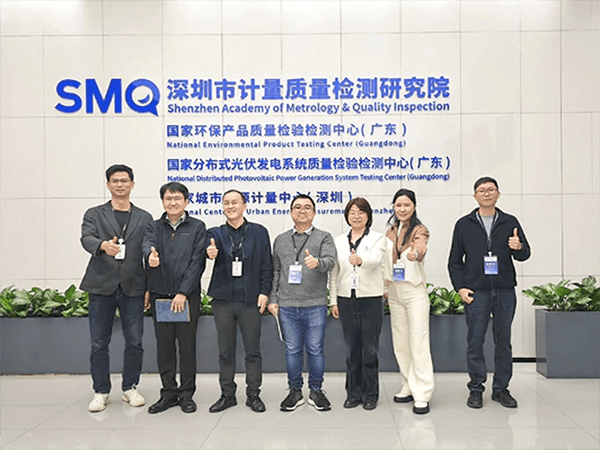
A Comprehensive Guide to Verifying Chinese Suppliers and Conducting Factory Inspections
Conducting Due Diligence on Chinese Suppliers:
a. Research and Background Checks:
Begin by researching the supplier's background, including their company history, industry experience, and reputation.
Utilize online resources, business directories, and trade associations to gather information.
Verify the supplier's legal status, including company registration, licenses, and certifications.
b. Financial Stability:
Assess the supplier's financial stability by reviewing their financial statements, bank references, and credit reports.
Consider their payment terms, credit history, and ability to meet financial obligations.
c. Quality Control:
Evaluate the supplier's quality control processes and certifications, such as ISO standards.
Request samples and conduct quality inspections to ensure the products meet your requirements.
d. Communication and Relationship Building:
Establish clear communication channels with the supplier to ensure effective collaboration.
Build a strong relationship based on trust, transparency, and mutual respect.
Reducing Procurement Risks:
a. Diversify Suppliers:
Don't rely on a single supplier; diversify your sourcing to mitigate risks associated with supply chain disruptions.
Establish relationships with multiple suppliers to ensure a stable supply of goods.
b. Clear Contractual Agreements:
Draft comprehensive contracts that outline the terms and conditions of the partnership.
Include clauses related to quality, delivery, payment, and dispute resolution.
c. Regular Audits and Inspections:
Conduct regular audits and inspections to ensure compliance with contractual agreements and quality standards.
Utilize third-party auditors to provide an unbiased assessment of the supplier's operations.
d. Contingency Planning:
Develop contingency plans to address potential risks, such as supply chain disruptions or quality issues.
Have alternative suppliers and backup plans in place to minimize the impact of unforeseen events.
Conducting Factory Inspections:
a. Pre-Inspection Preparation:
Clearly define the scope and objectives of the factory inspection.
Prepare a checklist of quality, safety, and environmental requirements.
Identify key personnel within the supplier's organization to be involved in the inspection.
b. On-Site Inspection:
Visit the factory to assess the production process, quality control measures, and working conditions.
Inspect the manufacturing equipment, work-in-progress inventory, and finished goods.
Evaluate the supplier's compliance with local and international regulations.
c. Post-Inspection Follow-Up:
Provide feedback to the supplier regarding the findings of the inspection.
Discuss any necessary corrective actions and establish a timeline for implementation.
Monitor the supplier's progress and ensure that improvements are made.
Conclusion: Verifying Chinese suppliers and conducting factory inspections are essential steps in mitigating procurement risks and ensuring a successful partnership. By following this comprehensive guide, businesses can establish a strong foundation for their supply chain, foster trust with their suppliers, and ultimately achieve their procurement goals. Remember, due diligence and maintenance are ongoing processes that require continuous attention and improvement.
👉 Email: [email protected]


Add comment
Add comment: