

In the global market, China has emerged as a major supplier of goods and services. However, with this growth comes an increased risk of dealing with suppliers who may not meet the expected standards. As an overseas purchasing consultant, it is crucial to have a robust China supplier risk framework in place to mitigate these risks. This article will provide a comprehensive guide on how to verify and manage risks associated with Chinese suppliers.
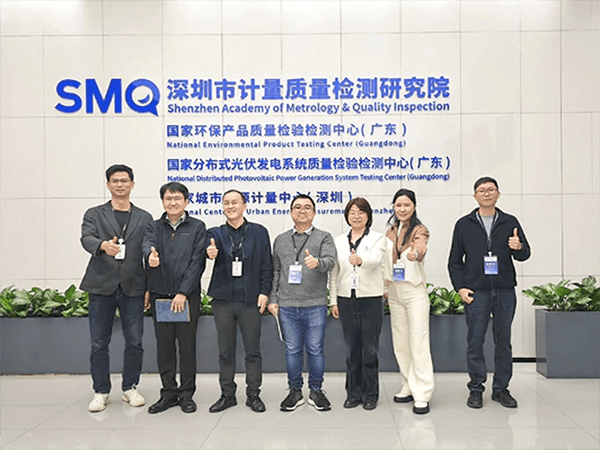
A Comprehensive Guide for Overseas Purchasing Consultants
Understanding the China supplier risk framework
The China supplier risk framework is a structured approach to evaluating and managing risks associated with sourcing products or services from Chinese suppliers. It involves a series of steps designed to identify, assess, and mitigate risks, ensuring that the supplier meets the required standards and delivers high-quality products.
Identify Potential Risks
The first step in the China supplier risk framework is to identify potential risks. These risks can be categorized into several key areas:
Quality Control: Ensuring that the supplier maintains consistent quality standards.
Intellectual Property: Protecting against intellectual property theft or infringement.
Payment Terms: Ensuring that payment terms are clear and enforceable.
Cultural Differences: Addressing potential misunderstandings or conflicts due to cultural differences.
Legal and Compliance: Ensuring that the supplier complies with local and international laws and regulations.
Assess Risks
Once potential risks have been identified, the next step is to assess their likelihood and potential impact. This can be done through a risk assessment matrix, which assigns a risk rating to each identified risk based on its likelihood and impact.
Develop Mitigation Strategies
After assessing the risks, it is essential to develop mitigation strategies to address them. These strategies may include:
Quality Control: Implementing a comprehensive quality control process, including regular audits and inspections.
Intellectual Property: Registering patents and trademarks in China and working with legal experts to protect intellectual property.
Payment Terms: Establishing clear and enforceable payment terms, including escrow services or letters of credit.
Cultural Differences: Assigning a local representative or interpreter to facilitate communication and understanding.
Legal and Compliance: Engaging with legal experts to ensure compliance with local and international laws and regulations.
Implement Monitoring and Reporting
Once mitigation strategies have been implemented, it is crucial to monitor their effectiveness and report on any issues that arise. This can be done through regular audits, site visits, and performance reviews.
Continuous Improvement
The China supplier risk framework is not a one-time process but an ongoing effort. It is essential to continuously review and update the framework to address new risks and changing market conditions.
Key Considerations When Verifying Chinese Suppliers
When verifying Chinese suppliers, there are several key considerations to keep in mind:
Due Diligence: Conduct thorough Due Diligence to verify the supplier's background, reputation, and financial stability.
Visits to the Factory: Arrange site visits to inspect the supplier's facilities and production processes.
Reference Checks: Contact previous customers or business partners to gather feedback on the supplier's performance.
Language Skills: Ensure that there is a clear line of communication between the supplier and your team, possibly through a local representative or interpreter.
Cultural Understanding: Be aware of cultural differences and their potential impact on business interactions.
Conclusion
The China supplier risk framework is a valuable tool for overseas purchasing consultants looking to mitigate risks associated with sourcing products or services from Chinese suppliers. By following this framework and taking a proactive approach to risk management, consultants can ensure that their clients receive high-quality products and services while minimizing potential losses.
Choosing the right supplier is one of the most important steps when sourcing from China. Local Audit China provides supplier verification, company checks, risk reports, and factory inspection services to help overseas buyers make safer purchasing decisions.



Add comment
Add comment: