

In the global marketplace, sourcing products from China has become a popular choice for businesses seeking cost-effective solutions. However, the vast array of suppliers and the complexities involved in the procurement process can pose significant risks. As an overseas purchasing consultant, I have compiled a comprehensive guide to help you verify Chinese suppliers, mitigate purchase risks, and conduct factory inspections effectively. One crucial aspect of this process is checking the SAIC filing of the supplier, which stands for the State Administration for Market Regulation filing. Let's delve into the details.
Understanding SAIC Filing
The SAIC filing is a legal requirement for all businesses operating in China. It serves as a proof of the supplier's legitimacy and compliance with Chinese laws and regulations. The filing contains essential information about the supplier, such as its legal name, registered address,注册资本, and business scope. By verifying the SAIC filing, you can ensure that the supplier is a legally registered entity and minimize the risk of dealing with fraudulent companies.
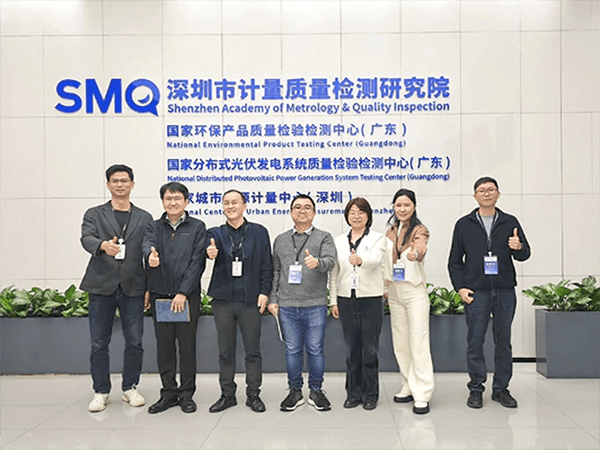
How to Verify Chinese Suppliers, Mitigate Purchase Risks, and Conduct Factory Inspections with SAIC
How to Verify Chinese Suppliers
a. Check the SAIC Filing
To verify the supplier's SAIC filing, you can visit the official SAIC website (http://www.saic.gov.cn/) and search for the supplier's legal name or registration number. Ensure that the information displayed matches the details provided by the supplier. If the supplier is unwilling to share its SAIC filing, it may be a red flag.
b. Conduct Online Research
Perform a thorough online search to gather information about the supplier. Look for customer reviews, testimonials, and case studies. Pay attention to any negative feedback or complaints. Additionally, check if the supplier has a website, social media profiles, and an online presence. A well-established online presence can be an indicator of a reputable supplier.
c. Request Business References
Ask the supplier for references from previous clients or customers. Contact these references to verify the supplier's credibility and the quality of their products. This step can provide valuable insights into the supplier's reliability and customer satisfaction.
Mitigating Purchase Risks
a. Clearly Define Your Requirements
Before finalizing a deal with a Chinese supplier, ensure that your requirements are clearly defined. This includes specifications, quality standards, delivery timelines, and payment terms. A well-defined contract can help minimize misunderstandings and disputes.
b. Implement Quality Control Measures
Establish a robust quality control process to ensure that the products meet your expectations. This may involve conducting inspections at various stages of production, such as during the raw material procurement, during the manufacturing process, and before shipment. Consider hiring a third-party inspection agency to conduct these inspections.
c. Diversify Your Supplier Base
Don't rely on a single supplier for all your needs. Diversifying your supplier base can help mitigate risks associated with supply chain disruptions, quality issues, and price fluctuations. Maintain good relationships with multiple suppliers to ensure a steady supply of products.
Conducting Factory Inspections
a. Plan Your Inspection
Before visiting the supplier's factory, plan your inspection meticulously. Determine the key areas you want to inspect, such as the production line, quality control department, and storage facilities. Prepare a checklist of items to be verified during the inspection.
b. Arrange for a Factory Visit
Coordinate with the supplier to schedule a factory visit. Ensure that you have a clear itinerary and that the supplier provides you with all necessary information about their operations. This may include safety guidelines, employee training, and quality control procedures.
c. Conduct the Inspection
During the factory visit, closely observe the production process, equipment, and working conditions. Assess the supplier's compliance with quality standards, safety regulations, and environmental requirements. Take detailed notes and photographs to document your findings.
Conclusion
Verifying Chinese suppliers, mitigating purchase risks, and conducting factory inspections are critical steps in the procurement process. By following the guidelines outlined in this article, you can ensure that you are working with reputable suppliers and minimizing the risks associated with sourcing products from China. Remember to check the SAIC filing, conduct thorough research, and implement robust quality control measures to safeguard your business interests.
👉 Email: [email protected]



Add comment
Add comment: